Ensuring the stability of the firing atmosphere in a tunnel kiln is a critical aspect of the manufacturing process, especially for industries that rely on high – quality fired products such as ceramics, bricks, and refractory materials. As a tunnel kiln supplier, I have witnessed the impact of an unstable firing atmosphere on product quality and production efficiency. In this blog, I will share some key strategies and techniques to maintain a stable firing atmosphere in a tunnel kiln. Tunnel Kiln

Understanding the Firing Atmosphere in a Tunnel Kiln
The firing atmosphere in a tunnel kiln refers to the gas composition, temperature, and pressure conditions inside the kiln during the firing process. It can be classified into three main types: oxidizing, reducing, and neutral atmospheres. Each type of atmosphere has a significant influence on the physical and chemical properties of the products being fired.
An oxidizing atmosphere contains an excess of oxygen, which promotes the oxidation of materials. This is suitable for firing products that require bright colors and good surface finish, such as some types of ceramics. A reducing atmosphere, on the other hand, has a deficiency of oxygen and an excess of reducing agents like carbon monoxide. It is often used for firing products that need to develop specific colors or properties, such as certain types of glazes. A neutral atmosphere has a balanced oxygen content and is used when neither oxidation nor reduction is desired.
Factors Affecting the Stability of the Firing Atmosphere
Several factors can affect the stability of the firing atmosphere in a tunnel kiln.
Fuel Quality and Combustion
The quality of the fuel used in the kiln is crucial. Impurities in the fuel can lead to incomplete combustion, which in turn affects the gas composition in the kiln. For example, if the fuel contains a high amount of sulfur, it can produce sulfur dioxide during combustion, which may contaminate the firing atmosphere and affect product quality. Proper combustion control is also essential. This includes adjusting the air – fuel ratio to ensure complete and efficient combustion. Inadequate air supply can result in a reducing atmosphere, while excessive air can create an oxidizing atmosphere.
Kiln Design and Sealing
The design of the tunnel kiln plays a vital role in maintaining a stable firing atmosphere. A well – designed kiln should have proper insulation to minimize heat loss and prevent air leakage. Air leakage can introduce unwanted oxygen or other gases into the kiln, disrupting the desired atmosphere. The sealing of the kiln doors, joints, and other openings is also critical. Any gaps or cracks can allow outside air to enter or the internal atmosphere to escape, leading to instability.
Product Loading and Arrangement
The way products are loaded and arranged in the tunnel kiln can affect the flow of the firing atmosphere. Uneven loading can cause uneven heat distribution and gas flow, resulting in an unstable atmosphere. Products should be loaded in a uniform manner to ensure consistent heat transfer and gas circulation. Additionally, the spacing between products is important. If the products are too close together, it can restrict the flow of gases, while too much spacing can lead to inefficient use of the kiln space.
Temperature Control
Temperature is a key factor in the firing process. Fluctuations in temperature can affect the chemical reactions taking place in the kiln and the gas composition. Precise temperature control is necessary to maintain a stable firing atmosphere. This can be achieved through the use of advanced temperature sensors and control systems. These systems can monitor the temperature at different points in the kiln and adjust the fuel supply and air flow accordingly.
Strategies to Ensure the Stability of the Firing Atmosphere
Fuel Management
- Select High – Quality Fuel: Choose fuels with low impurity levels. For example, natural gas is a clean – burning fuel that can provide a more stable combustion process compared to some solid fuels. Regularly test the fuel quality to ensure it meets the required standards.
- Optimize Combustion: Use advanced combustion control systems to adjust the air – fuel ratio in real – time. These systems can analyze the exhaust gas composition and make adjustments to ensure complete combustion. This helps to maintain a consistent gas composition in the kiln.
Kiln Maintenance and Sealing
- Regular Inspections: Conduct regular inspections of the kiln to check for any signs of damage or wear. This includes inspecting the insulation, kiln doors, and joints. Repair any leaks or damage promptly to prevent air infiltration.
- Improve Sealing: Use high – quality sealing materials to seal the kiln openings. For example, ceramic fiber seals can provide excellent insulation and sealing performance. Ensure that the seals are properly installed and maintained.
Product Loading Optimization
- Develop a Loading Plan: Create a detailed loading plan based on the size, shape, and quantity of the products. This plan should ensure uniform loading and proper spacing between products. Train the operators on the correct loading procedures to ensure consistency.
- Use Loading Aids: Consider using loading aids such as kiln furniture to support and arrange the products. Kiln furniture can help to improve the heat transfer and gas flow around the products, leading to a more stable firing atmosphere.
Advanced Temperature Control
- Install Temperature Sensors: Place temperature sensors at multiple points in the kiln to monitor the temperature accurately. These sensors can provide real – time data to the control system, allowing for precise temperature adjustments.
- Implement a Control Algorithm: Use a control algorithm that can respond quickly to temperature changes. This algorithm can adjust the fuel supply, air flow, and other parameters to maintain a stable temperature profile in the kiln.
Monitoring and Feedback
Continuous monitoring of the firing atmosphere is essential to ensure its stability. Install gas sensors in the kiln to measure the concentration of oxygen, carbon monoxide, and other gases. These sensors can provide real – time data on the gas composition, allowing operators to detect any deviations from the desired atmosphere.
Establish a feedback loop between the monitoring system and the control system. When a deviation is detected, the control system can automatically adjust the fuel supply, air flow, or other parameters to correct the atmosphere. Regularly review the monitoring data to identify any trends or patterns that may indicate potential problems.
Conclusion
Ensuring the stability of the firing atmosphere in a tunnel kiln is a complex but crucial task. By understanding the factors that affect the atmosphere, implementing appropriate strategies, and maintaining continuous monitoring, manufacturers can achieve high – quality fired products and improve production efficiency.
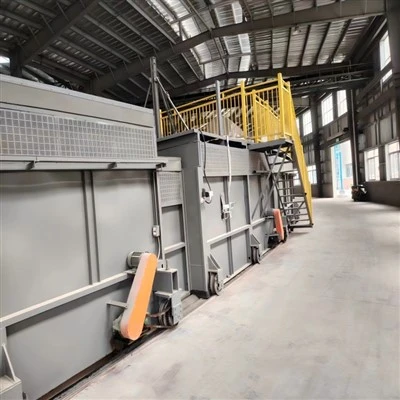
As a tunnel kiln supplier, we are committed to providing our customers with high – quality kilns and comprehensive support to ensure the stability of the firing atmosphere. Our kilns are designed with advanced features and technologies to optimize combustion, temperature control, and gas flow. We also offer training and technical assistance to help our customers operate the kilns effectively.
Ceramic Tunnel Kiln If you are interested in improving the firing process in your production line and ensuring the stability of the firing atmosphere in your tunnel kiln, we invite you to contact us for a detailed discussion. Our team of experts will be happy to provide you with customized solutions based on your specific needs.
References
- Schneider, H. (2015). Tunnel Kiln Technology for the Ceramic Industry. Elsevier.
- Reed, J. S. (2006). Principles of Ceramic Processing. Wiley.
- Knape, H. – G. (2008). Industrial Furnaces and Heat Treatment Equipment. Springer.
Henan Yaxin Kiln Co., Ltd.
Henan Yaxin Kiln Co., Ltd. is one of the most professional tunnel kiln manufacturers and suppliers in China. With abundant experience, we warmly welcome you to buy high quality tunnel kiln with the latest design from our factory. Good service and punctual delivery are available.
Address: Jixian Industrial Zone, Shangqiu City, Henan Province
E-mail: 1543563178@qq.com
WebSite: https://www.hnyxkiln.com/
