When it comes to building or upgrading a gaming PC, one of the most crucial components to consider is the cooling fan. A high – performance cooling fan not only ensures that your PC runs at optimal temperatures but also enhances the overall gaming experience by preventing overheating, which can lead to system crashes and reduced hardware lifespan. As a cooling fan supplier, I’ve had the opportunity to work with a wide range of customers, from casual gamers to professional e – sports enthusiasts. In this blog post, I’ll share some insights on how to choose the right cooling fan for your gaming PC. Cooling Fan

Understanding the Basics of Cooling Fans
Before diving into the selection process, it’s important to understand the basic types of cooling fans available in the market. There are two main types: case fans and CPU coolers.
Case Fans
Case fans are designed to circulate air within the PC case. They help to expel hot air generated by the components and draw in cool air from the outside. Case fans come in various sizes, with the most common being 80mm, 120mm, 140mm, and 200mm. Larger fans generally move more air at lower RPM (rotations per minute), which means they can be quieter while still providing effective cooling.
CPU Coolers
CPU coolers are specifically designed to cool the central processing unit (CPU). There are two main types of CPU coolers: air coolers and liquid coolers. Air coolers use a heatsink and a fan (or multiple fans) to dissipate heat from the CPU. Liquid coolers, on the other hand, use a liquid coolant to transfer heat away from the CPU and then dissipate it through a radiator.
Factors to Consider When Choosing a Cooling Fan
Airflow and Static Pressure
Airflow is measured in cubic feet per minute (CFM) and represents the volume of air that a fan can move. Higher CFM means more air is being moved, which is beneficial for overall case ventilation. Static pressure, measured in millimeters of water column (mmH₂O), is the ability of a fan to push air through obstacles such as heatsinks and radiators. For case fans, high airflow is usually more important. However, for CPU coolers, especially those with dense heatsinks or radiators, a fan with high static pressure is necessary.
Noise Level
Noise is a significant concern, especially for gamers who want an immersive experience without the distraction of a noisy PC. Fan noise is measured in decibels (dB). Generally, fans with lower RPM produce less noise. Look for fans with a noise – level rating of 30dB or less for a quiet gaming environment. Some fans also come with features like PWM (Pulse Width Modulation) control, which allows the fan speed to be adjusted based on the temperature, reducing noise when the system is not under heavy load.
Fan Size
As mentioned earlier, fan size plays a role in both airflow and noise. Larger fans can move more air at lower RPM, resulting in quieter operation. However, you need to ensure that the fan size is compatible with your PC case. Most modern cases support 120mm or 140mm fans, but some smaller cases may only accommodate 80mm or 90mm fans.
Build Quality and Durability
A high – quality cooling fan is built to last. Look for fans with durable bearings, such as sleeve bearings, ball bearings, or fluid dynamic bearings. Fluid dynamic bearings are generally the quietest and most durable, but they can also be more expensive. The fan blades should be made of high – quality materials that can withstand long – term use without warping or breaking.
Compatibility
Ensure that the cooling fan you choose is compatible with your PC components. For case fans, check the mounting holes in your PC case to make sure they match the fan’s mounting pattern. For CPU coolers, check the socket type of your CPU to ensure compatibility. Some CPU coolers are designed for specific socket types and may not fit on other CPUs.
Case Fans: Placement and Configuration
Proper placement and configuration of case fans are essential for effective cooling. Here are some general guidelines:
Intake and Exhaust
The basic principle of case ventilation is to have intake fans at the front or bottom of the case to draw in cool air and exhaust fans at the rear or top to expel hot air. This creates a natural airflow path through the case, ensuring that hot air is efficiently removed from the components.
Fan Configuration
A common fan configuration for a gaming PC is to have at least two intake fans at the front and one exhaust fan at the rear. You can also add additional fans at the top or side of the case for better ventilation. For example, a top – mounted exhaust fan can help to remove hot air that rises to the top of the case.
CPU Coolers: Air vs. Liquid
When choosing a CPU cooler, you need to decide between an air cooler and a liquid cooler.
Air Coolers
Air coolers are generally more affordable and easier to install. They are also more reliable in the long run, as there are no liquid leakage risks. Air coolers are a good choice for budget – conscious gamers or those who prefer a simple and straightforward cooling solution. However, they may not be as effective as liquid coolers in cooling high – end CPUs under heavy load.
Liquid Coolers
Liquid coolers offer superior cooling performance, especially for overclocked CPUs. They can dissipate heat more efficiently, allowing the CPU to run at lower temperatures. Liquid coolers also tend to be more compact, which can be beneficial in small form – factor cases. However, they are more expensive and require more maintenance. There is also a small risk of liquid leakage, which can damage your PC components.
Brand and Reviews
When purchasing a cooling fan, it’s important to consider the brand reputation and read customer reviews. Well – known brands often have a better track record of quality and reliability. Look for brands that have been in the market for a long time and have positive customer feedback. Online reviews can provide valuable insights into the performance, noise level, and durability of a particular cooling fan.
Conclusion
Choosing the right cooling fan for your gaming PC is a process that requires careful consideration of various factors, including airflow, static pressure, noise level, size, compatibility, and build quality. Whether you opt for a case fan, a CPU air cooler, or a liquid cooler, make sure it meets your specific needs and the requirements of your PC components.
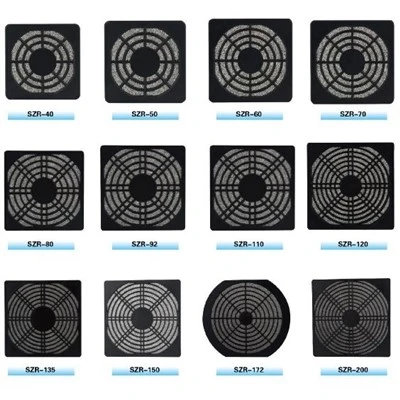
As a cooling fan supplier, I’m here to offer you a wide range of high – quality cooling solutions. If you’re in the process of building or upgrading your gaming PC and need advice on choosing the right cooling fan, or if you’re interested in purchasing in bulk for your business or gaming community, I invite you to reach out to me. I’m available to assist you with product selection, answer any questions you may have, and provide competitive pricing.
AC Axial Fan Let’s work together to ensure your gaming PC stays cool and performs at its best. Contact me today to start the conversation about your cooling fan needs.
References
- Corsair. "Cooling Basics: Understanding Airflow & Fan Configurations." Corsair Knowledge Base.
- Noctua. "Noctua Cooling Guide: Choosing the Right CPU Cooler." Noctua Support Center.
- ThermalTake. "ThermalTake Cooling Fan Selection Guide." ThermalTake Technical Resources.
Dongguan Shengzhirong Electronics Co., Ltd.
As one of the most professional cooling fan manufacturers and suppliers in China, our products have good reputation in the market. Please rest assured to wholesale high quality cooling fan made in China here from our factory. Customized orders are welcome.
Address: 6/F, Building 2, No.68, Shunxing 2nd Road, Dajingtou 2nd Industrial Zone, Dalang Town, Dongguan City, Guangdong, China
E-mail: szr_coolingfan@163.com
WebSite: https://www.szrfan.com/
