Are there any emerging technologies for valve components?
As a seasoned supplier in the valve components industry, I’ve witnessed firsthand the relentless pace of technological advancement. In an era marked by rapid innovation, the question on everyone’s mind is: Are there any emerging technologies for valve components? The answer is a resounding yes. These technologies are not only reshaping the way we design and manufacture valve components but also enhancing their performance, reliability, and efficiency. Valve Components

One of the most significant emerging technologies in valve components is the use of advanced materials. Traditional materials like steel and brass have served us well, but they have their limitations. For instance, they can be prone to corrosion, especially in harsh environments. Advanced materials such as ceramics, composites, and high-performance polymers offer superior properties that can overcome these limitations.
Ceramics, for example, are known for their excellent hardness, wear resistance, and chemical resistance. They can withstand high temperatures and pressures, making them ideal for use in applications such as aerospace, automotive, and chemical processing. Composites, on the other hand, are made by combining two or more materials with different properties to create a material with enhanced performance characteristics. They can be designed to be lightweight, strong, and corrosion-resistant, which is particularly valuable in industries where weight reduction is a critical factor, such as the aerospace and automotive industries. High-performance polymers, such as PEEK (polyether ether ketone), offer excellent mechanical properties, chemical resistance, and thermal stability. They can be used in a wide range of applications, from semiconductor manufacturing to medical devices.
Another emerging technology in valve components is the integration of smart features. With the advent of the Internet of Things (IoT) and Industry 4.0, valves are becoming increasingly intelligent. Smart valves are equipped with sensors and actuators that can monitor and control the flow of fluids in real-time. They can collect data on parameters such as pressure, temperature, flow rate, and valve position, and transmit this data to a central control system. This allows for remote monitoring and control of valves, as well as predictive maintenance.
Predictive maintenance is a key benefit of smart valves. By analyzing the data collected by sensors, it is possible to detect potential issues before they become major problems. This can help to reduce downtime, improve efficiency, and extend the lifespan of valve components. For example, if a sensor detects a gradual increase in the temperature of a valve, it could indicate a problem with the valve’s sealing or lubrication. By addressing this issue early, the operator can prevent a costly breakdown and ensure the continued operation of the system.
In addition to smart features, 3D printing is also emerging as a disruptive technology in the valve components industry. 3D printing, also known as additive manufacturing, allows for the creation of complex geometries that are difficult or impossible to produce using traditional manufacturing methods. This makes it possible to design and manufacture valve components with optimized performance and reduced weight.
One of the key advantages of 3D printing is its ability to produce parts on-demand. This eliminates the need for large inventories of spare parts and reduces lead times. It also allows for rapid prototyping, which enables designers to test and refine their designs before mass production. For example, a valve component manufacturer can use 3D printing to produce a prototype of a new valve design in a matter of hours. This prototype can then be tested in a real-world environment to evaluate its performance and make any necessary adjustments.
Furthermore, the development of virtual reality (VR) and augmented reality (AR) technologies is opening up new possibilities for the design, testing, and maintenance of valve components. VR technology allows designers to create immersive virtual environments where they can visualize and interact with valve components in real-time. This can help to identify potential design flaws and optimize the performance of the components. For example, a designer can use VR to simulate the flow of fluids through a valve and analyze the pressure distribution and flow patterns.
AR technology, on the other hand, can be used to provide technicians with real-time information and guidance during the maintenance and repair of valve components. By using a smartphone or tablet equipped with an AR app, technicians can overlay digital information onto the physical valve component. This can include step-by-step instructions, parts diagrams, and diagnostic information. For example, if a technician is performing maintenance on a valve, the AR app can provide him or her with a virtual overlay of the valve’s internal components, highlighting the parts that need to be replaced or serviced.
As a valve components supplier, I am excited about the opportunities presented by these emerging technologies. They allow us to offer our customers innovative solutions that are more efficient, reliable, and cost-effective. However, I also recognize that the adoption of these technologies requires a significant investment in research and development, as well as in the training of our employees.
To stay ahead of the curve, we are constantly investing in new technologies and processes. We have a dedicated team of engineers and researchers who are working on developing new materials, smart features, and manufacturing techniques. We are also collaborating with leading universities and research institutions to stay up-to-date with the latest advancements in the field.
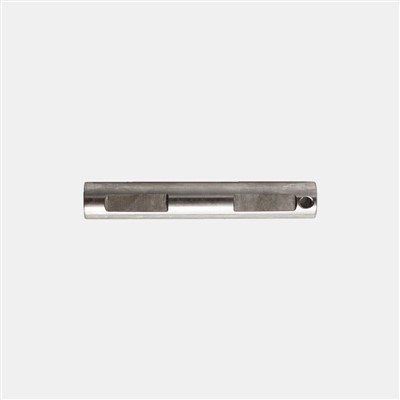
In addition, we are committed to providing our customers with the highest level of service and support. We understand that every customer’s needs are unique, and we work closely with them to develop customized solutions that meet their specific requirements. Whether it’s a small-scale project or a large-scale industrial application, we have the expertise and resources to deliver high-quality valve components that perform reliably and efficiently.
Automotive Parts If you are in the market for valve components and are interested in exploring the latest emerging technologies, I encourage you to contact us. Our team of experts will be happy to discuss your needs and provide you with a customized solution that meets your requirements. We look forward to the opportunity to work with you and help you take your business to the next level.
References
- "Advanced Materials for Valve Applications," Journal of Engineering Materials and Technology.
- "The Internet of Things in the Valve Industry," Proceedings of the International Conference on Industrial Automation.
- "Additive Manufacturing in the Valve Components Industry," Rapid Prototyping Journal.
- "Virtual Reality and Augmented Reality in Engineering Design," IEEE Transactions on Visualization and Computer Graphics.
Taizhou Liuhuan Machinery Co., Ltd.
As one of the most professional valve components manufacturers and suppliers in China, we’re featured by quality products and good service. Please rest assured to buy customized valve components made in China here from our factory. For quotation, contact us now.
Address: Xinyuan Industrial Zone, Damaiyu Street, Yuhuan City, Zhejiang Province,China
E-mail: tzlhmachining@gmail.com
WebSite: https://www.tzlhmachining.com/
