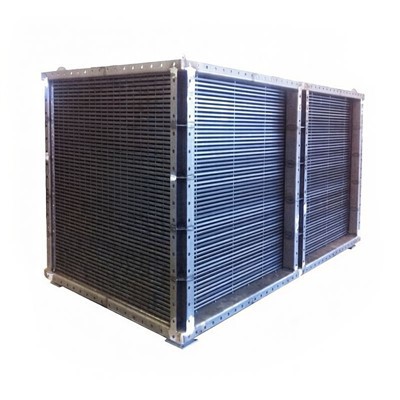
As a seasoned supplier of plate condensers, I often get asked about the pressure rating of these essential industrial components. Understanding the pressure rating of a plate condenser is crucial for ensuring its safe and efficient operation in various applications. In this blog, I’ll delve into what the pressure rating means, why it’s important, and how it impacts the performance of plate condensers. Plate Condenser
What is Pressure Rating?
The pressure rating of a plate condenser refers to the maximum pressure that the condenser can safely withstand during normal operation. It is a critical specification that indicates the upper limit of pressure at which the condenser can function without risking structural damage or failure. This rating is typically expressed in units of pressure, such as pounds per square inch (psi) or bar.
The pressure rating of a plate condenser is determined by several factors, including the design of the condenser, the materials used in its construction, and the manufacturing processes employed. Engineers carefully calculate and test the condenser to ensure that it can handle the specified pressure without compromising its integrity.
Why is Pressure Rating Important?
The pressure rating of a plate condenser is of utmost importance for several reasons. Firstly, it ensures the safety of the equipment and the personnel operating it. If a condenser is subjected to pressures higher than its rated capacity, it can lead to catastrophic failures, such as leaks, ruptures, or explosions. These incidents not only pose a significant risk to human life but also result in costly downtime and damage to the surrounding infrastructure.
Secondly, the pressure rating affects the performance and efficiency of the condenser. Operating a condenser at pressures close to or beyond its rated limit can cause a decrease in heat transfer efficiency, leading to reduced cooling capacity and increased energy consumption. By adhering to the recommended pressure rating, the condenser can operate at its optimal performance level, ensuring reliable and cost-effective operation.
Factors Affecting Pressure Rating
Several factors influence the pressure rating of a plate condenser. One of the primary factors is the design of the condenser plates. The shape, thickness, and pattern of the plates play a crucial role in determining the condenser’s ability to withstand pressure. Plates with a more robust design and thicker walls can generally handle higher pressures compared to thinner or more delicate plates.
The materials used in the construction of the condenser also have a significant impact on its pressure rating. Common materials for plate condensers include stainless steel, titanium, and various alloys. These materials are selected for their corrosion resistance, strength, and durability. The choice of material depends on the specific application and the operating conditions of the condenser. For example, in applications where the condenser is exposed to corrosive substances, a corrosion-resistant material such as titanium may be preferred.
The manufacturing processes employed in the production of the condenser also affect its pressure rating. Precision manufacturing techniques, such as laser welding and advanced forming processes, can ensure a high-quality and reliable condenser with a consistent pressure rating. Additionally, proper quality control measures during the manufacturing process are essential to ensure that each condenser meets the specified pressure rating requirements.
Determining the Appropriate Pressure Rating
When selecting a plate condenser for a particular application, it is essential to determine the appropriate pressure rating based on the specific operating conditions. This involves considering factors such as the inlet and outlet pressures of the fluids, the pressure drop across the condenser, and any potential pressure fluctuations or surges that may occur during operation.
It is also important to consult with a qualified engineer or condenser manufacturer to ensure that the selected condenser has the appropriate pressure rating for the intended application. They can provide valuable insights and recommendations based on their expertise and experience in the field.
Pressure Rating and System Design
The pressure rating of a plate condenser is closely related to the overall system design. In a refrigeration or air conditioning system, for example, the condenser is an integral part of the refrigerant circuit. The pressure rating of the condenser must be compatible with the other components of the system, such as the compressor, evaporator, and expansion valve.
Proper system design also involves considering the potential for pressure variations and surges. For example, during startup or shutdown of the system, there may be temporary pressure spikes that need to be accounted for. By selecting a condenser with a sufficient pressure rating and incorporating appropriate safety features, such as pressure relief valves, the risk of system failure can be minimized.
Maintaining the Pressure Rating
Once a plate condenser is installed and in operation, it is important to maintain its pressure rating to ensure its long-term performance and reliability. Regular maintenance and inspection of the condenser are essential to detect any signs of wear, damage, or corrosion that may affect its pressure rating.
This includes checking the integrity of the plates, joints, and connections, as well as monitoring the pressure and temperature of the fluids flowing through the condenser. Any abnormalities or deviations from the normal operating conditions should be investigated and addressed promptly to prevent potential issues.
Conclusion
In conclusion, the pressure rating of a plate condenser is a critical specification that determines its safe and efficient operation. By understanding what the pressure rating means, why it’s important, and the factors that affect it, you can make informed decisions when selecting a condenser for your application.
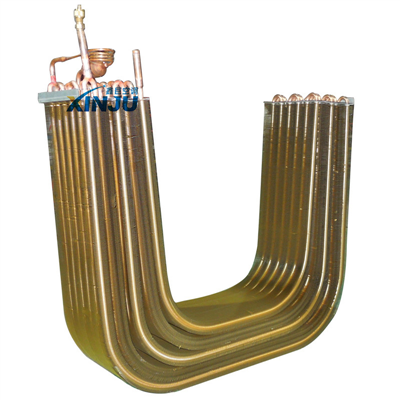
Finned Tube As a plate condenser supplier, I am committed to providing high-quality condensers with accurate pressure ratings and excellent performance. If you are in the market for a plate condenser or have any questions about pressure ratings or other technical specifications, please don’t hesitate to contact me. I would be happy to discuss your requirements and help you find the right solution for your needs.
References
- ASME Boiler and Pressure Vessel Code
- Heat Exchanger Institute Standards
- Manufacturer’s technical documentation for plate condensers
Xiangshui Derkang Refrigeration Equipment Co., Ltd.
Address: No. 2, Xiaojian Town Entrepreneurship Park, Xiangshui County
E-mail: 505745223@qq.com
WebSite: https://www.xsderk.com/
