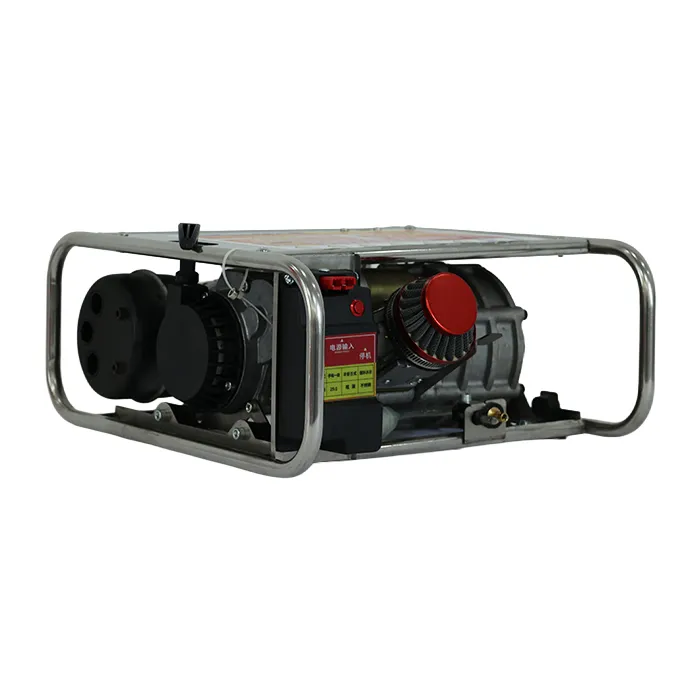
Hey there! I’m a supplier of wind-powered fire extinguishers, and today I wanna chat about how these bad boys stack up against aerosol fire extinguishers. Wind-powered Fire Extinguisher
The Basics of Both
Let’s start with what each of these fire extinguishers is all about. Aerosol fire extinguishers have been around for a while. They’re those handheld canisters that you’ve probably seen in offices, homes, and vehicles. When you pull the trigger, they release a fine mist of some chemical stuff. This mist spreads out in the air and works to put out fires by interrupting the chemical reaction that keeps the fire burning.
On the other hand, our wind-powered fire extinguishers are a bit of a new kid on the block. They work by using a powerful stream of wind to blow out the fire. It’s like a really strong gust of wind, but in a controlled and concentrated way.
Effectiveness in Different Fire Types
Class A Fires
Class A fires involve ordinary combustibles like wood, paper, and cloth. Aerosol fire extinguishers do a pretty good job here. The chemical mist can quickly cover the burning material and snuff out the flames. The chemicals can cool down the hot spots and stop the fire from spreading.
But our wind-powered fire extinguishers? They’re superb too. The strong wind can blow away the burning embers and disrupt the oxygen supply to the fire. It’s like giving the fire a big "shove" and making it go out. And since it doesn’t leave behind any messy chemical residue, it’s easier to clean up after the fire is out.
Class B Fires
These are fires that involve flammable liquids like gasoline, oil, and paint. Aerosol fire extinguishers can be effective, as the chemical mist can form a sort of barrier on the surface of the liquid, cutting off the oxygen supply to the fire.
However, our wind-powered fire extinguishers need a bit of a strategic approach. You can’t just blast the wind directly at the burning liquid, or you might spread the fire. But if you use the wind to blow the flames away from the source and disrupt the fire’s convection currents, it can be a great way to control and eventually extinguish the fire.
Class C Fires
Fires that involve energized electrical equipment are a different ballgame. Aerosol fire extinguishers are often recommended because they’re non-conductive, which means they won’t cause an electrical shock if used on live equipment.
Our wind-powered fire extinguishers can also be used, but you gotta be careful. The key is to use the wind to blow the heat away from the electrical components. If the fire is small, the wind can quickly cool down the area and prevent further damage. It’s important to note that before using any fire extinguisher on an electrical fire, you should try to turn off the power source if it’s safe to do so.
Environmental Impact
One of the big selling points of our wind-powered fire extinguishers is their environmental friendliness. Aerosol fire extinguishers typically use chemicals like Halons or other halogenated hydrocarbons. These chemicals can be harmful to the environment. Halons, for example, are known to deplete the ozone layer. Even newer aerosol fire extinguishers that use alternative chemicals might still have some long-term environmental impacts.
Our wind-powered fire extinguishers, on the other hand, have a minimal environmental impact. They don’t release any harmful chemicals into the air or leave behind any toxic residue. They’re just using the power of wind, which is a natural and renewable resource. If you’re someone who cares about the planet, this is a huge plus.
Safety and Usability
Using an aerosol fire extinguisher is relatively straightforward. You just pull the pin, aim at the base of the fire, and squeeze the trigger. But there are some downsides. The chemical mist can be irritating to the eyes, nose, and throat. And if you’re in a small, enclosed space, it can be hard to breathe because of the foggy atmosphere created by the mist.
Our wind-powered fire extinguishers are much easier on the lungs. There’s no chemical mist to inhale. You hold the device and point it at the fire, and the wind does the rest. They’re also quieter compared to some aerosol fire extinguishers that can make a loud hissing noise when discharged.
In terms of maintenance, aerosol fire extinguishers need regular checks to make sure the pressure inside the canister is okay and that the chemicals haven’t expired. Our wind-powered fire extinguishers have fewer moving parts. They mainly need a check of the battery or power source (if it’s an electric model) and ensuring the fan or blower is in good working condition.
Cost – Long – Term and Upfront
When it comes to upfront costs, aerosol fire extinguishers are usually cheaper. They’re mass – produced, and the materials used to make them are relatively inexpensive.
But if you look at the long – term costs, our wind-powered fire extinguishers can be a better deal. You don’t have to keep replacing the chemicals inside the extinguisher. The main cost might be replacing a battery or a small part if it breaks, but that’s far less frequent compared to having to buy a new aerosol extinguisher when the chemicals expire.
Noise and Disruption
Aerosol fire extinguishers can create a lot of noise when they’re discharged. That hissing sound can be really loud and disorienting, especially in a stressful fire situation. It can also be a problem in places where noise needs to be kept to a minimum, like in libraries or hospitals.
Our wind-powered fire extinguishers are generally quieter. The sound of the wind is more of a gentle roar, and it doesn’t cause as much of a racket. This can make it easier for people to stay calm and focused in an emergency.
Residue and Clean – Up
After using an aerosol fire extinguisher, you’re left with a sticky, chemical residue. This stuff can be a pain to clean up. It can get on furniture, electronics, and floors, and it might require special cleaning agents to remove.
With our wind-powered fire extinguishers, there’s no residue. Once the fire is out, you don’t have to worry about scrubbing away chemicals. It saves you time and effort in the clean – up process.
Size and Portability
Aerosol fire extinguishers come in a range of sizes, from small handheld ones to larger canisters. They’re generally easy to carry around, but the larger ones can get a bit heavy.
Our wind-powered fire extinguishers also come in different sizes. The smaller models are just as portable as the small aerosol fire extinguishers. And even the larger ones are designed to be manageable. They’re often well – balanced, so they’re not too awkward to hold and use.
Conclusion
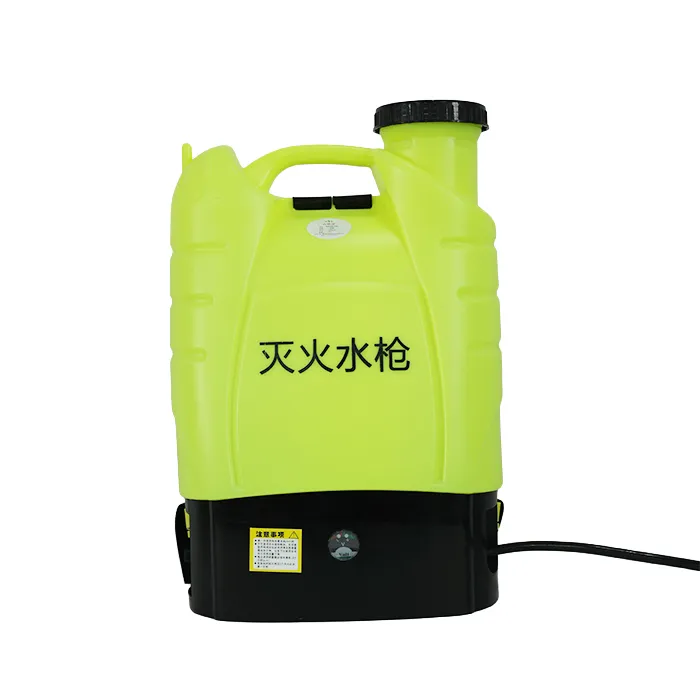
So, in the battle between wind-powered fire extinguishers and aerosol fire extinguishers, each has its own strengths. But if you ask me, our wind-powered fire extinguishers have a lot going for them. They’re environmentally friendly, easy to use and maintain, and they don’t leave behind a mess.
Fire Extinguisher If you’re in the market for fire extinguishers, whether it’s for your home, office, or business, I’d love to have a chat with you. We can discuss your specific needs and figure out if our wind-powered fire extinguishers are the right fit for you. Just reach out, and we can start the conversation about keeping your place safe from fires.
References
- "Fire Protection Handbook", National Fire Protection Association
- "Aerosol Fire Extinguishers: Performance and Safety", Journal of Fire Science
- "Wind – Powered Fire Suppression Technologies", International Journal of Disaster Risk Reduction
Zhenjiang Linhao Forest Fire Prevention Equipment Co., Ltd.
Zhenjiang Linhao Forest Fire Prevention Equipment Co., Ltd. is one of the most reliable manufacturers and suppliers of wind-powered fire extinguisher in China, featured by quality products and low price. Please rest assured to wholesale customized wind-powered fire extinguisher from our factory. Contact us for quotation and free sample.
Address: No.16,Fenghuangshan Road, Runzhou District, Zhenjiang City, Jiangsu Province
E-mail: lh@lhfirefighting.com
WebSite: https://www.lhfirefighting.com/
