How does the design of a high pressure shaft seal affect its performance?
High pressure shaft seals play a crucial role in a wide range of industrial applications, from oil and gas extraction to power generation and heavy machinery. As a supplier of high pressure shaft seals, I have witnessed firsthand the significant impact that the design of these seals can have on their performance. In this blog, I will explore the various design factors that influence the performance of high pressure shaft seals and why choosing the right design is essential for optimal operation. High Pressure Shaft Seal

Material Selection
One of the most critical design considerations for high pressure shaft seals is the choice of materials. The materials used in the seal must be able to withstand the high pressures, temperatures, and chemical environments that they are exposed to. For example, in oil and gas applications, seals may need to resist the corrosive effects of hydrocarbons, acids, and other chemicals. In power generation, seals may need to operate at high temperatures and pressures, requiring materials with excellent thermal stability and mechanical strength.
Common materials used in high pressure shaft seals include elastomers, such as nitrile rubber (NBR), fluorocarbon rubber (FKM), and ethylene propylene diene monomer (EPDM), as well as thermoplastics, such as polytetrafluoroethylene (PTFE) and polyether ether ketone (PEEK). Each material has its own unique properties and advantages, and the choice of material will depend on the specific requirements of the application.
Elastomers are known for their flexibility and sealing capabilities. They can provide a good seal at low to moderate pressures and are relatively inexpensive. However, they may not be suitable for high temperature or chemical-resistant applications. Thermoplastics, on the other hand, offer excellent chemical resistance and thermal stability. They can withstand higher pressures and temperatures than elastomers, but they are generally more expensive and less flexible.
In some cases, a combination of materials may be used to achieve the best performance. For example, a seal may have an elastomeric outer layer for flexibility and a thermoplastic inner layer for chemical resistance. This hybrid design can provide the benefits of both materials and improve the overall performance of the seal.
Geometric Design
The geometric design of a high pressure shaft seal also has a significant impact on its performance. The shape and dimensions of the seal can affect its ability to create a tight seal, resist extrusion, and accommodate shaft movement. Some of the key geometric design factors include the seal cross-section, lip design, and gland design.
The seal cross-section refers to the shape of the seal when viewed in cross-section. Common cross-sections include rectangular, circular, and wedge-shaped. The choice of cross-section will depend on the specific requirements of the application, such as the pressure, temperature, and shaft speed. For example, a rectangular cross-section may be used for applications where a high degree of sealing force is required, while a circular cross-section may be more suitable for applications where the seal needs to accommodate some shaft movement.
The lip design is another important geometric factor. The lip is the part of the seal that comes into contact with the shaft and creates the seal. The shape and size of the lip can affect its sealing performance and durability. For example, a single-lip seal may provide a good seal at low pressures, but a double-lip seal may be required for higher pressures. The lip may also be designed with a special profile, such as a tapered or radiused lip, to improve its sealing performance.
The gland design is the housing that holds the seal in place. The gland must be designed to provide the proper support and alignment for the seal and to prevent extrusion of the seal material. The gland may also be designed with features such as grooves or chamfers to improve the sealing performance.
Spring Design
Many high pressure shaft seals use a spring to provide additional sealing force. The spring helps to maintain contact between the seal lip and the shaft and can improve the seal’s performance under high pressures and dynamic conditions. The design of the spring can have a significant impact on the performance of the seal.
The type of spring used in a high pressure shaft seal can vary depending on the specific application. Common types of springs include coil springs, garter springs, and wave springs. Coil springs are the most common type of spring used in shaft seals. They are simple and inexpensive to manufacture and can provide a relatively constant sealing force. Garter springs are circular springs that are used to provide a uniform sealing force around the circumference of the seal. Wave springs are flat springs that are designed to provide a high level of sealing force in a compact space.
The size and stiffness of the spring are also important design considerations. The spring must be sized appropriately to provide the required sealing force without causing excessive wear on the seal lip or the shaft. The stiffness of the spring should be chosen to ensure that it can maintain contact between the seal lip and the shaft under all operating conditions.
Surface Finish
The surface finish of the shaft and the seal housing can also affect the performance of a high pressure shaft seal. A smooth surface finish can help to reduce friction and wear between the seal lip and the shaft and can improve the sealing performance. On the other hand, a rough surface finish can cause the seal lip to wear more quickly and can lead to leakage.
The surface finish requirements for a high pressure shaft seal will depend on the specific application and the type of seal being used. In general, a smoother surface finish is preferred for seals that operate at high speeds or under high pressures. However, in some applications, a slightly rougher surface finish may be acceptable if it helps to improve the adhesion of the seal material to the shaft or the housing.
Installation and Maintenance
Proper installation and maintenance are essential for ensuring the optimal performance of a high pressure shaft seal. During installation, the seal must be properly aligned and seated in the gland to ensure a tight seal. The shaft and the gland must also be clean and free of any debris or contaminants that could damage the seal.
After installation, the seal should be inspected regularly for signs of wear or damage. If the seal is showing signs of wear, it should be replaced immediately to prevent leakage and other problems. In addition, the lubrication system of the equipment should be checked regularly to ensure that the seal is properly lubricated.
Conclusion
In conclusion, the design of a high pressure shaft seal has a significant impact on its performance. The choice of materials, geometric design, spring design, surface finish, and installation and maintenance all play important roles in determining the effectiveness and durability of the seal. As a supplier of high pressure shaft seals, I understand the importance of providing our customers with high-quality seals that are designed to meet their specific requirements.
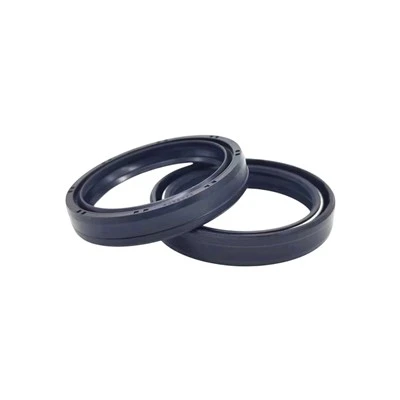
If you are in need of high pressure shaft seals for your industrial application, I encourage you to contact us to discuss your needs. Our team of experts can help you choose the right seal design and material for your application and provide you with the support and expertise you need to ensure the optimal performance of your equipment.
Hydraulic Seal References
- Jones, A. B. (2015). "High Pressure Sealing Technology." Industrial Sealing Handbook.
- Smith, C. D. (2017). "Design Considerations for High Pressure Shaft Seals." Journal of Sealing Technology.
- Brown, E. F. (2019). "Materials Selection for High Pressure Seals." Sealing Materials and Applications.
Hebei Jinwo Machinery Technology Co., Ltd.
Hebei Jinwo Machinery Technology Co., Ltd. is one of the most professional high pressure shaft seal manufacturers and suppliers in China, featured by quality products and good price. Welcome to buy bulk advanced high pressure shaft seal in stock here and get pricelist from our factory. We also accept customized orders.
Address: Room 2109, Tower A, Meidong International, No.16 Guang’an Avenue, Chang’an District, Shijiazhuang City, Hebei Province, China
E-mail: info@jinwoseal.com
WebSite: https://www.jinwoseal.com/
