Hey there! I’m a supplier in the perimeter fencing game, and let me tell you, it’s a wild world out there. Perimeter fencing isn’t just about putting up some barriers; it’s about finding the right fit for different needs, whether it’s for security, privacy, or just adding some style to a property. In this blog, I’m gonna walk you through the different types of perimeter fencing you can choose from. Perimeter Fencing
Chain – Link Fencing
Chain – link fencing is one of the most common types out there. It’s made of galvanized steel wire woven into a diamond – shaped pattern. This type of fencing is super affordable, which is a big plus for many people. You can get it in different heights and gauges. A thinner gauge means a lighter and less expensive fence, but it might not be as durable.
If you’re looking for a fence for a sports field, like a baseball diamond or a tennis court, chain – link is a great option. It gives good visibility, so spectators can watch the game easily. It’s also pretty easy to install, and if you need to make repairs, it’s not too difficult to replace a section of the fence.
But like everything, it has its downsides. Chain – link fencing isn’t the most private option. You can’t really hide what’s going on inside the fenced area. Also, it might not look the most aesthetically pleasing, especially if you’re using it for a residential property.
Wood Fencing
Wooden fences are classic. They give a warm, natural look to any property. You can choose from different types of wood, like cedar, pine, or redwood. Cedar is a popular choice because it’s naturally resistant to rot and insects. Pine is more affordable, but it might need more maintenance to keep it looking good.
Wood fencing comes in different styles too. There’s the picket fence, which is low and usually used to mark the front yard of a home. It gives a cute, old – fashioned look. Then there’s the privacy fence, which is taller and made of solid boards. This type is great if you want to keep out prying eyes and have some peace in your backyard.
One of the biggest problems with wood fencing is maintenance. Over time, wood can warp, crack, and fade. You’ll need to stain or paint it regularly to protect it from the elements. And if you live in an area with a lot of rain or snow, the wood might start to rot if not properly cared for.
Vinyl Fencing
Vinyl fencing has been getting more and more popular in recent years. It’s made of PVC (polyvinyl chloride), which is a type of plastic. One of the best things about vinyl fencing is that it’s low – maintenance. You don’t have to paint or stain it like you do with wood. Just a quick wash with soap and water every once in a while, and it’ll look good as new.
Vinyl fencing comes in a variety of styles that can mimic the look of wood. You can get it in a picket style, a privacy style, or even a lattice – top style. It’s also very durable. It won’t rot, rust, or be damaged by insects.
However, vinyl fencing can be a bit more expensive upfront compared to chain – link or wood fencing. Also, if it gets damaged, it can be harder to repair compared to other types of fencing. A large crack or break might mean you have to replace a whole section.
Wrought – Iron Fencing
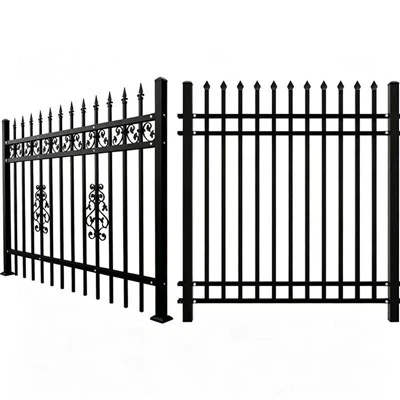
Wrought – iron fencing is the fancy stuff. It’s known for its elegance and durability. It’s made of iron that’s been heated and shaped into different designs. You can find wrought – iron fences with intricate scrollwork and decorative elements, which can really add a touch of class to a property.
This type of fencing is very strong and can withstand a lot of wear and tear. It’s a great option for high – end residential properties or commercial buildings where you want to make a statement. It also provides good security because it’s difficult to break through.
But there’s a catch. Wrought – iron fencing is expensive. The material itself is costly, and the installation is usually more labor – intensive because of the detailed designs. Also, iron will rust if it’s not properly cared for. You’ll need to paint it regularly to prevent rust from forming.
Aluminum Fencing
Aluminum fencing is a lightweight alternative to wrought – iron fencing. It’s made of aluminum, which is a corrosion – resistant metal. This means you don’t have to worry about rusting like you do with iron.
Aluminum fencing comes in a variety of styles, from simple picket fences to more elaborate designs. It’s easy to install, and it provides a good balance between security and visibility. It’s also more affordable than wrought – iron fencing.
The downside is that it might not be as strong as wrought – iron fencing. It can get dented more easily, especially if it’s hit by a heavy object. But for most residential and light – commercial applications, it’s a great option.
Barbed – Wire and Razor – Wire Fencing
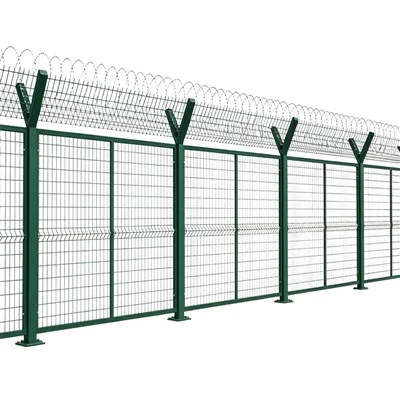
Okay, this one is for serious security. Barbed – wire and razor – wire fencing are used in high – security areas like prisons, military bases, and industrial sites. Barbed wire consists of a wire with sharp barbs at regular intervals, while razor wire has sharp blades that are even more dangerous.
These types of fencing are very effective at deterring intruders. They’re not something you’d want to use for a regular residential property, but in the right context, they’re a necessary part of security.
However, they’re also very dangerous. If someone accidentally gets caught on them, they can suffer serious injuries. So, they need to be used with caution and in compliance with local laws.
Electric Fencing
Electric fencing is another option for security. It’s mostly used for containing livestock or for protecting large properties from wildlife or intruders. An electric fence works by sending a mild electric shock through the wires when something touches them.
For livestock, it’s a great way to keep them in a specific area without having to build a high, expensive fence. For security, it can be an effective deterrent for humans or animals trying to get onto a property.
But electric fencing requires some maintenance. You need to make sure the wires are properly charged and that there are no breaks in the system. Also, it can be dangerous if not installed and maintained correctly.
So, there you have it! These are some of the different types of perimeter fencing out there. Each type has its own pros and cons, and the right choice for you depends on your specific needs, budget, and the look you’re going for.
If you’re in the market for perimeter fencing and want to discuss your options, or if you have any questions about the types of fencing I’ve talked about, don’t hesitate to reach out. I’m here to help you find the perfect fencing solution for your property.
Perimeter Fencing References
- Fence Industry Association Publications
- Various Manufacturer’s Product Guides
- Personal Experience in the Perimeter Fencing Business
Hengshui Anbang Road and Bridge Material Co., Ltd.
As one of the most professional perimeter fencingmanufacturers and suppliers in China, we’re featured by quality products and good service. Please rest assured to wholesale bulk customized perimeter fencing from our factory. For pricelist, contact us now.
Address: Zhaobazhuang Wire Mesh Industrial Park, Shenzhou City, Hengshui City, Hebei Province
E-mail: 857732879@qq.com
WebSite: https://www.cnanbang.com/
