In the dynamic landscape of industrial insulation, aluminum silicate insulation has long been a cornerstone material, valued for its versatility, reliability, and thermal efficiency. As a leading supplier of aluminum silicate insulation solutions, I’ve witnessed firsthand the transformative journey of this industry segment. In this blog, I’ll delve into the latest developments in aluminum silicate insulation technology, exploring how these advancements are shaping the future of insulation applications across various sectors. Aluminum Silicate Insulation
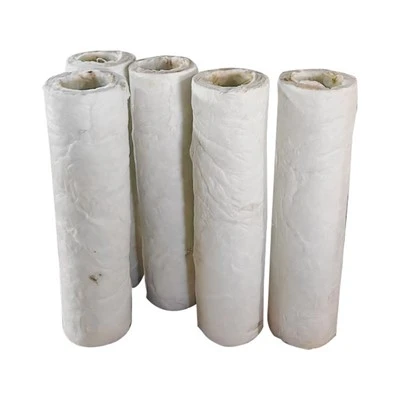
1. Advanced Manufacturing Processes
One of the most significant developments in aluminum silicate insulation technology lies in the refinement of manufacturing processes. Traditional methods of producing aluminum silicate insulation involved melt blowing or spinning techniques. While these methods have served the industry well, recent advancements focus on precision and efficiency.
Modern manufacturing facilities now utilize state – of – the – art equipment that allows for more consistent fiber formation. For example, computer – controlled melt blowing systems can precisely adjust parameters such as temperature, pressure, and flow rate. This results in fibers with a more uniform diameter, which in turn improves the overall thermal performance of the insulation. The ability to control fiber properties at such a granular level also enhances the product’s mechanical strength, making it more resistant to handling and installation damage.
2. Enhanced Thermal Performance
The primary function of any insulation material is to prevent heat transfer, and aluminum silicate insulation is no exception. Recent research efforts have focused on optimizing the micro – structure of aluminum silicate fibers to maximize their thermal resistance.
Nanotechnology has emerged as a game – changer in this regard. Scientists have found ways to introduce nano – sized particles or additives into the aluminum silicate matrix. These nano – components can create additional barriers to heat flow by scattering and reflecting heat at the atomic level. For instance, the incorporation of nano – silica particles has been shown to increase the thermal insulation capacity by up to 20% compared to traditional formulations.
Furthermore, new manufacturing techniques can create a more open – celled structure within the insulation material. Open – cell structures trap more air, which is an excellent insulator. This results in a product with a lower thermal conductivity, meaning it can better maintain temperature differentials between the hot and cold sides of the insulation.
3. Environmental Sustainability
In today’s environmentally conscious world, the demand for sustainable insulation materials is on the rise. Aluminum silicate insulation manufacturers are responding to this trend by developing more eco – friendly production methods and product formulations.
Many companies are now using recycled raw materials in the production of aluminum silicate insulation. For example, waste materials from the ceramic and glass industries can be processed and incorporated into the insulation manufacturing process. This not only reduces the need for virgin materials but also minimizes waste generation.
In addition, efforts are being made to reduce the energy consumption during the manufacturing process. New kilns and furnaces are designed to operate more efficiently, using less fuel to reach the required temperatures for fiber formation. This not only cuts down on greenhouse gas emissions but also makes the production process more cost – effective.
4. Improved Fire Resistance
Fire safety is a critical consideration in many insulation applications, especially in the construction and industrial sectors. Recent developments in aluminum silicate insulation technology have focused on enhancing its fire – resistant properties.
Aluminum silicate fibers inherently have a high melting point, but new treatments and additives are being used to further improve their performance in high – temperature and fire situations. For example, some manufacturers are applying special coatings to the fibers that form a protective char layer when exposed to fire. This char layer acts as a barrier, preventing the spread of flames and heat transfer.
The addition of flame – retardant chemicals in a more controlled and environmentally friendly way is also a growing trend. These chemicals are carefully selected to meet strict safety standards while still maintaining the insulation’s thermal and mechanical properties.
5. Customization and Application – Specific Solutions
Different industries have unique insulation requirements, and the latest trend in aluminum silicate insulation technology is to offer more customized solutions. As a supplier, we are increasingly working closely with customers to understand their specific needs and develop tailored products.
For the aerospace industry, where weight is a critical factor, we are developing lightweight aluminum silicate insulation with high – strength characteristics. This allows for better insulation performance without adding excessive weight to the aircraft.
In the petrochemical industry, where insulation must withstand harsh chemical environments, we are creating chemically resistant aluminum silicate insulation. These products are designed to resist corrosion and degradation from exposure to various chemicals, ensuring long – term performance and reliability.
6. Integration with Smart Technologies
The rise of the Internet of Things (IoT) and smart buildings has also influenced the development of aluminum silicate insulation technology. Smart insulation systems are being developed that can monitor and adjust their performance in real – time.
Sensors can be integrated into the insulation material to measure parameters such as temperature, humidity, and heat transfer rate. These sensors can then communicate with building management systems or industrial control systems. For example, if the temperature on one side of the insulation changes, the system can automatically adjust the insulation’s properties or trigger a warning if the temperature exceeds a certain threshold.
This integration of smart technologies not only improves the efficiency of insulation systems but also provides valuable data for energy management and maintenance planning.
Conclusion: Seize the Benefits of New Aluminum Silicate Insulation Technology
The new developments in aluminum silicate insulation technology offer a wide range of benefits, from improved thermal performance and environmental sustainability to enhanced fire resistance and customization. As a supplier, we are committed to staying at the forefront of these technological advancements to provide our customers with the best – in – class insulation solutions.
Fire Rated Duct Wrap If you are in the market for aluminum silicate insulation, whether for a large – scale industrial project or a small – scale commercial application, I encourage you to reach out for a detailed discussion. Our team of experts is ready to understand your specific requirements and help you select the most suitable product for your needs. Don’t miss out on the opportunity to leverage these cutting – edge technologies for your insulation projects.
References
- "Advances in Thermal Insulation Materials", Journal of Industrial and Engineering Chemistry Research
- "Nanotechnology Applications in Insulation Materials", Proceedings of the International Conference on Nano – scale Engineering
- "Sustainable Manufacturing of Insulation Materials", Environmental Science and Technology Journal
- "Fire – Resistant Insulation Technologies", Fire Safety Science Conference Proceedings
Langfang Yafeng Energy-Saving Technology Co., Ltd.
As one of the most professional aluminum silicate insulation manufacturers and suppliers in China, we’re featured by quality products and good price. Please rest assured to buy bulk premium aluminum silicate insulation for sale here from our factory. Welcome to view our website for more information.
Address: Langfang Xinyafeng, Liugezhuang Town, Dacheng County, Langfang City, Hebei Province
E-mail: yafengbaowen@gmail.com
WebSite: https://www.xyfinsulation.com/
